How do you get so good at Valorant that it feels like smurfing?
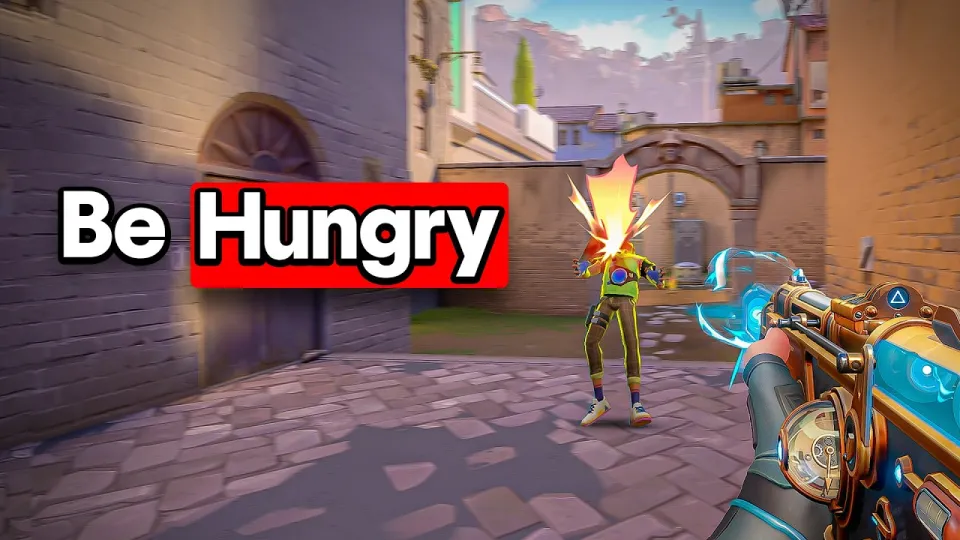
Video: How to Get So Good at Valorant it Feels Like Smurfing
Need articles like this for your video? They help promote it on YouTube and Google — order them in the Telegram bot @sat_sit_bot. It writes articles around your video, embeds the video and publishes them on popular niche websites (no ads). Try it free: 50 articles on us.
Key takeaways
- The core of a "smurf-like" level is reacting to the enemy instead of running a fixed script, then staying unpredictable.
- Konpeki's Immortal Roadmap Program advertises 5 divisions in 10 weeks, or 500 RR, with a guaranteed result.
- Movement can be trained in the Range with the movement error graph on and its multiplier set to 0.5 for finer feedback.
- Aim duels are only half the job: crosshair placement, counter-strafing and timing decide most even fights.
- Reviewing one death per round beats grinding ten extra matches with no notes.
The short answer is that you get so good at Valorant that it feels like smurfing by making your decisions reactive instead of pre-planned, then drilling the mechanics that let you execute those decisions. You stop playing the round you rehearsed in your head and start playing the round the enemy is actually giving you. Konpeki's breakdown of this idea is the backbone of his coaching, and the same logic applies whether you are Silver or Immortal. If you want the structured version, you can apply for the Immortal Roadmap Program and book a free call to see whether you fit the current intake.
Smurfing is not a cheat code. It is what happens when a player's fundamentals are so far ahead of the lobby that every fight looks easy from the outside. The good news is that those fundamentals are learnable, and most of them are not aim at all.
React to the enemy instead of running your own script
A smurf looks fast because they are answering a question the opponent just asked, not because their mouse moves faster. If you commit to a plan before you have any information, you are gambling; if you wait for one piece of information and then commit hard, you are playing Valorant.
- Take one piece of info first: a footstep, a smoke, a utility sound, a teammate's death marker.
- Decide what that info rules out, then move into the space it opens.
- Commit fully once you commit at all. Half-peeks and half-rotations are how rounds die.
- Re-evaluate after every kill or every trade. The map changes every three seconds.
This is why two players with identical aim can sit five ranks apart. One of them is solving the round; the other is executing a script written before the round started.
Make yourself unpredictable on every angle
Predictability is the single biggest giveaway of a low-rank player, and unpredictability is the cheapest way to look like a smurf. Enemies pre-aim common angles because most players take them, so the moment you vary timing, position and speed, you break their crosshair placement before the fight even starts.
- Change your timing: sometimes peek instantly, sometimes hold for two seconds, sometimes fall back and re-peek from a different pixel.
- Change your position: the same angle from a different distance is a different duel.
- Change your intent: take space aggressively for three rounds, then play a passive trap round and let them walk into you.
- Avoid patterns inside a single half. If you lurk the same way twice in a row, a decent opponent will punish it on the third.
None of this requires better aim. It requires the discipline to not do the comfortable thing every round.
Build the mechanics that make good decisions possible
Decision-making is worthless if you cannot win the duel that follows it, so the mechanical layer still matters. The trick is to train the mechanics that actually appear in matches: stopping before you shoot, keeping your crosshair at head level, and clearing angles in a repeatable order.
- Turn on the movement error graph in the Range and set its multiplier to 0.5. It makes the moment your shots become accurate visible instead of guesswork.
- Practise counter-strafing: tap the opposite direction key to kill your momentum, then fire. Run the side-to-side drill and be honest about whether you are fully stopped on each shot.
- Do not spam the same one-tap drill forever. Mix in tracking, spray control at realistic distances and close-range strafing duels.
- Keep crosshair placement glued to head level while you move through the map, not just while you shoot.
Aim trainers help, but the Range and deathmatch are closer to the real thing because they include movement, sound and imperfect information.
Play a simple game plan and let the round come to you
Valorant rewards simplicity. A smurf is not doing twenty clever things per round; they are doing two simple things extremely well and letting the opponent overcomplicate the rest.
- Before the round, pick one job: entry, trade, anchor or lurk.
- Write down the one condition that changes your job, for example a teammate dying on the other side of the map.
- Use utility to solve a specific problem, not to fill time. A smoke that blocks a crossfire is worth more than a smoke that looks nice.
- After the round, ask whether your plan survived contact with reality. If it did not, adjust the plan, not your confidence.
This is the same principle as any sport: a match plan beats improvisation, but the plan has to be simple enough to follow under pressure.
Review one death per round instead of grinding more games
Volume of games is a weak lever. Ten matches with no review will teach you less than three matches where you understand why you died.
- After each death, ask what information you had and what you ignored.
- Check whether you died with utility unused. That is almost always a decision error, not an aim error.
- Track one recurring mistake for a week, for example wide-swinging without a trade or peeking the same angle twice.
- Keep a short note per session. Patterns show up across days, not inside a single game.
Players who climb fast usually have a smaller list of mistakes than everyone else, not a longer list of tricks.
Common questions players ask about playing like a smurf
Most doubts around this topic come down to whether you need elite aim, how long it takes, and whether the advice works outside mouse and keyboard. The honest answers are less dramatic than the highlight clips suggest.
- You do not need Radiant-level aim to look dominant in your own rank. Reaction speed and positioning carry more fights than raw flick speed.
- Console players face the same decision layer. Controller aim has different limits, but crosshair placement, timing and utility usage transfer directly.
- Rank-up timelines vary enormously with how many hours you can review, not just play. Structured programs exist precisely because self-coaching has a ceiling.
- Age is not the blocker most people assume. Consistency and deliberate practice matter more than raw reflexes for the vast majority of ranks.
If a tip feels vague, translate it into one concrete thing you will do differently in your next match. That is the only version of advice that changes your rank.
Useful links
- Immortal Roadmap Program application and free call: https://roadmap.gg/v/lUfrMRb74SE
- Free coaching resources and office hours on Discord: https://www.discord.gg/UnRETVmRpV
- Twitch: https://www.twitch.tv/konpekichan
- Twitter: https://twitter.com/coachpeki
- TikTok: https://www.tiktok.com/@coachpeki
The takeaway
Getting good enough at Valorant to feel like a smurf is a compounding process, not a single trick: react to real information, stay unpredictable, drill the mechanics that show up in matches, and keep the round plan simple. Konpeki's breakdown of this mindset is what makes the advice usable, because it treats rank climbing as a set of habits rather than a talent lottery. Pick one habit from this article, apply it for a full week, and review the results honestly. If you want the guided version with accountability, reserve a spot in the Immortal Roadmap Program and see whether the current intake is a good fit.
Source: How to Get So Good at Valorant it Feels Like Smurfing · Markdown version
Questions & answers
Do I need elite aim before I can play like a smurf in my rank?
No. Most fights in low and mid ranks are decided before the first bullet, by crosshair placement, timing and positioning. Aim matters, but reacting to information and staying unpredictable will make you look far better than your raw flick speed suggests.
How long does it take to climb several ranks with this approach?
It depends almost entirely on how many hours you spend reviewing rather than just queueing. Structured programs advertise aggressive timelines such as five divisions in ten weeks, but the honest variable is your consistency with deliberate practice and honest review of your own deaths.
Does this advice work for console players on PS5 or Xbox?
Yes, the decision layer transfers completely. Controller aim has different limits, so movement and utility usage matter even more, but crosshair placement, timing and simple round plans apply exactly the same way on console as on PC.
Is there an age requirement to join a coaching program?
That depends on the program and its payment and consent requirements, so it is worth asking directly during the free call. Skill-wise, age is far less of a barrier than most players assume; consistency beats raw reflexes at nearly every rank.